Scintillator detectors are devices used to detect ionizing radiation by converting it into visible light. When radiation such as gamma rays,
X-rays, or particles passes through a scintillating material, the material emits brief pulses of light that can be measured by sensitive
electronic sensors. Counting and analyzing these light flashes, we can determine the presence, intensity, and sometimes even the type of radiation.
Scintillator detectors are widely used in medicine, industry, scientific research, environmental monitoring, and security applications because they can provide fast, reliable, and highly sensitive radiation measurements.
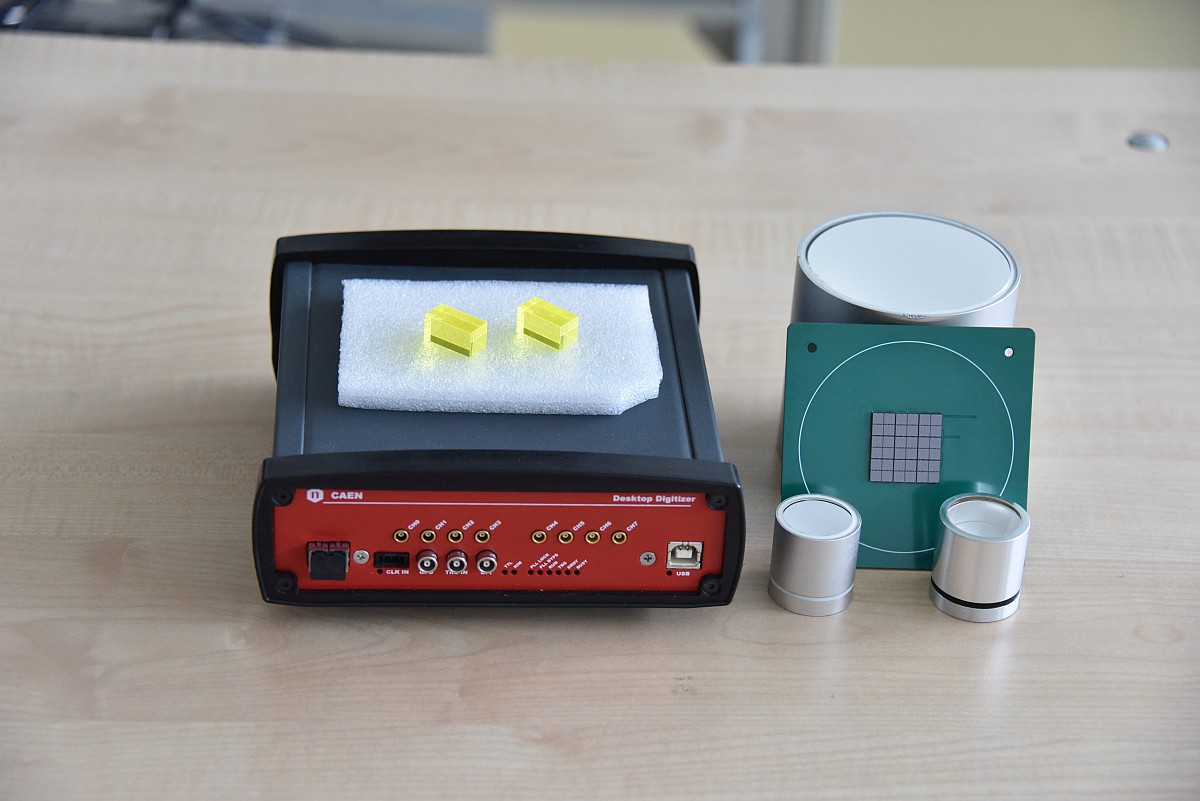
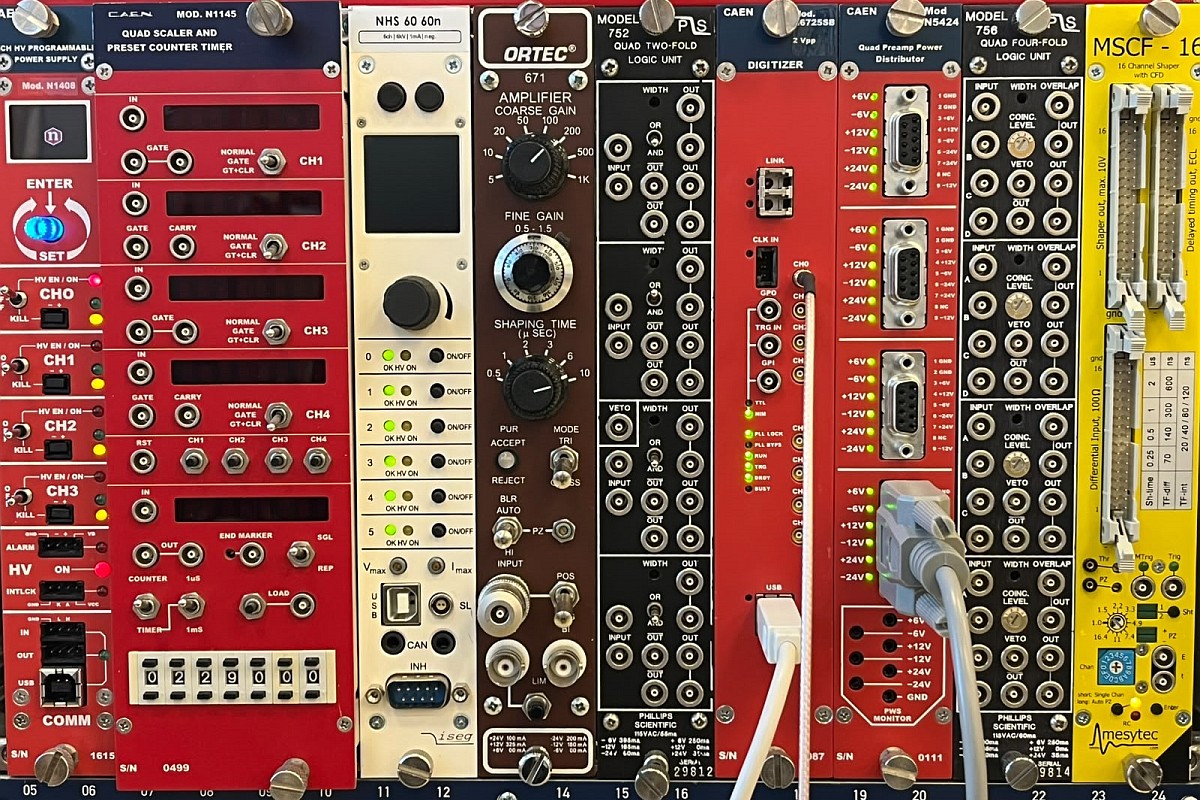
Our laboratory is equipped with a wide variety of scintillator detectors, as well as materials to build custom ones,
including the associated electronics and readout systems.
Silicon detectors are electronic devices that measure ionizing radiation
using the same semiconductor technology found in computer chips and digital cameras.
When radiation passes through a piece of silicon, it creates tiny electrical charges
that can be collected and measured by electronic circuits. This allows the detector to
determine not only that radiation is present, but often also its energy and precise location.
Thanks to their excellent accuracy, compact size, and ability to produce detailed measurements,
silicon detectors are widely used in scientific research, medical imaging, space missions, and
radiation monitoring systems.
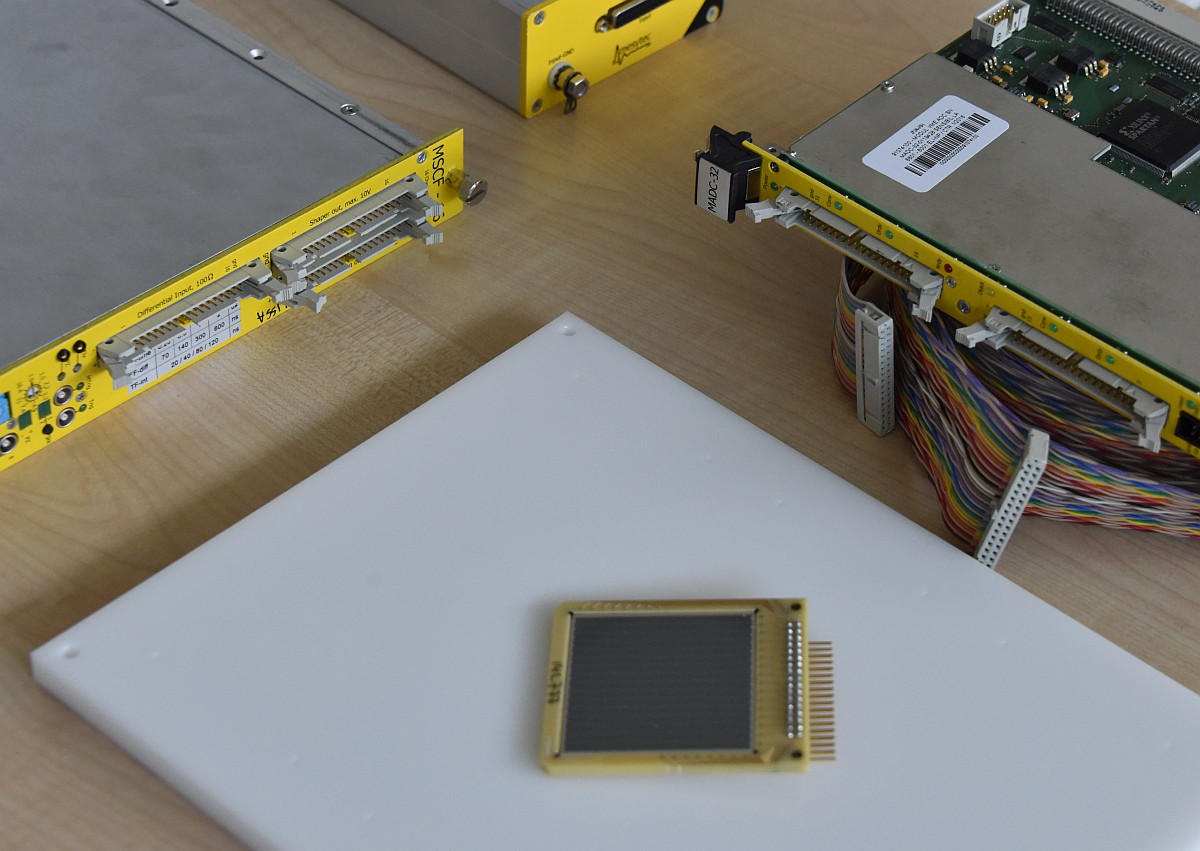
In our laboratory we use and characterize silicon detectors for nuclear physics measurements,
especially for charged particle detection.
Germanium detectors are highly sensitive instruments used to measure and identify ionizing radiation with
exceptional precision. When radiation interacts with a specially purified germanium crystal, it produces tiny
electrical signals that reveal the energy of the incoming radiation. Their outstanding energy resolution makes
them an essential tool in nuclear science, environmental monitoring, homeland security, and the characterization
of radioactive materials.
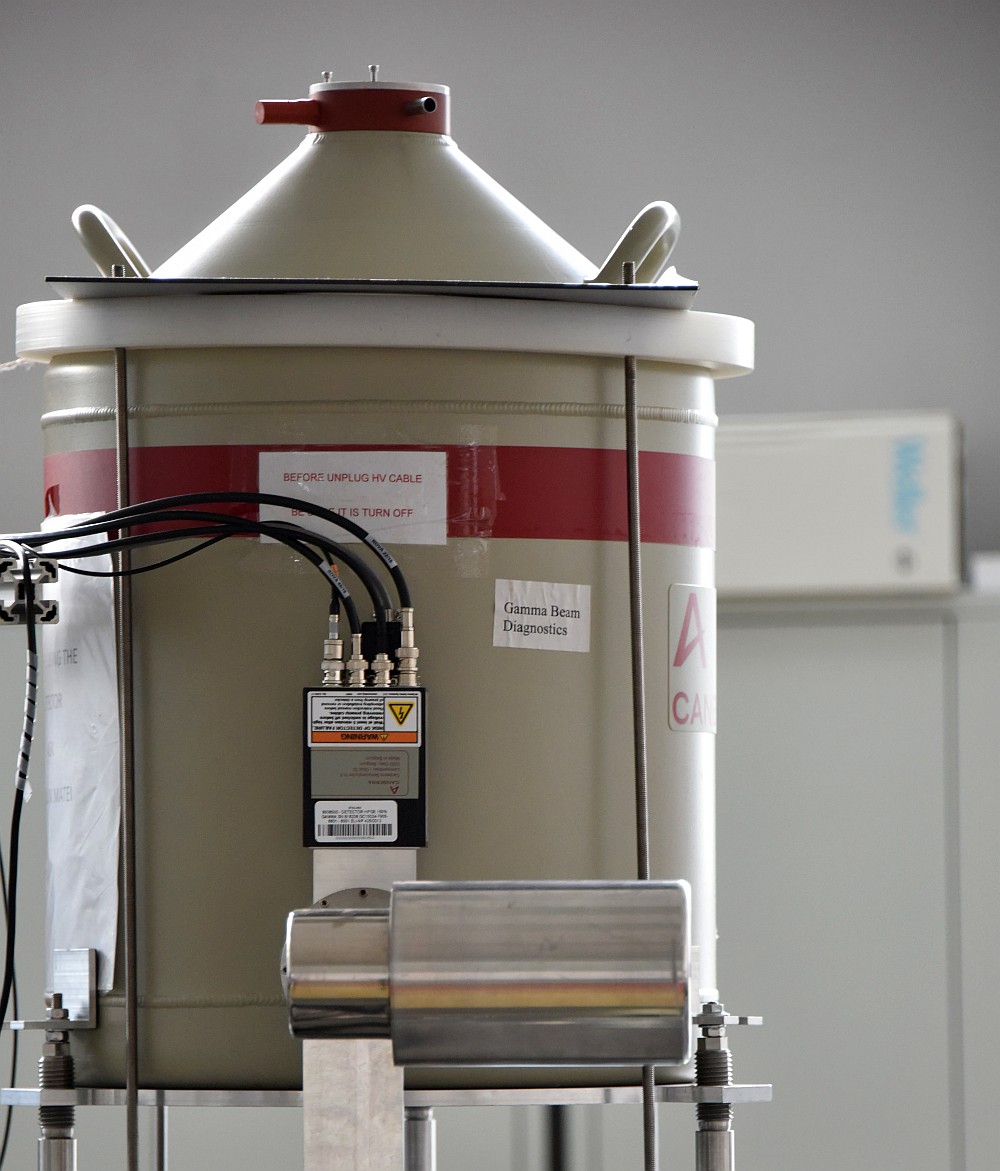
Our laboratory has extensive expertise in the operation and optimization of germanium detectors to tune their
performances according to the scientific requirements of each experiment.
Radiation detectors require regular maintenance and conditioning to ensure reliable performance
throughout their operational lifetime. These activities can include routine inspections, calibration
checks, replacement or repair of electronic components, and verification of detector response. Some
detector technologies also require specialized procedures; for example, germanium detectors may undergo
annealing, a carefully controlled heating process used to repair damage caused by prolonged exposure to
radiation and restore their performance.
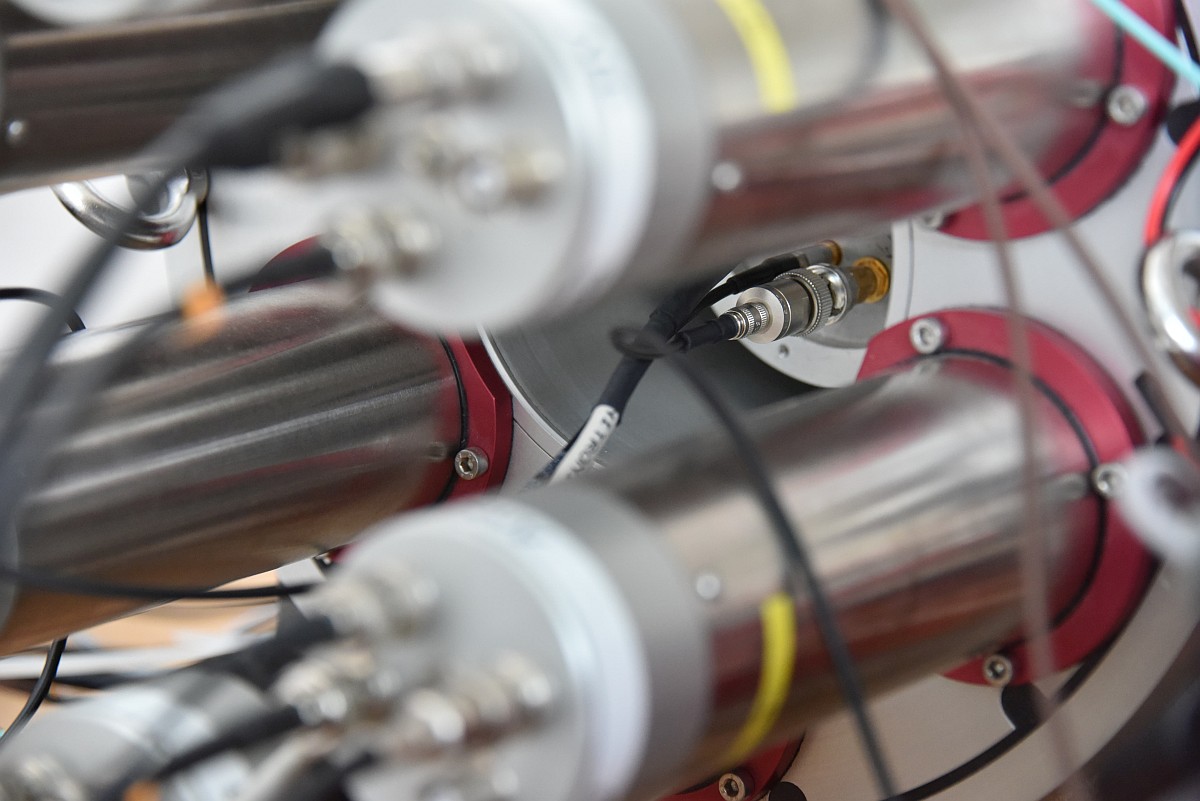
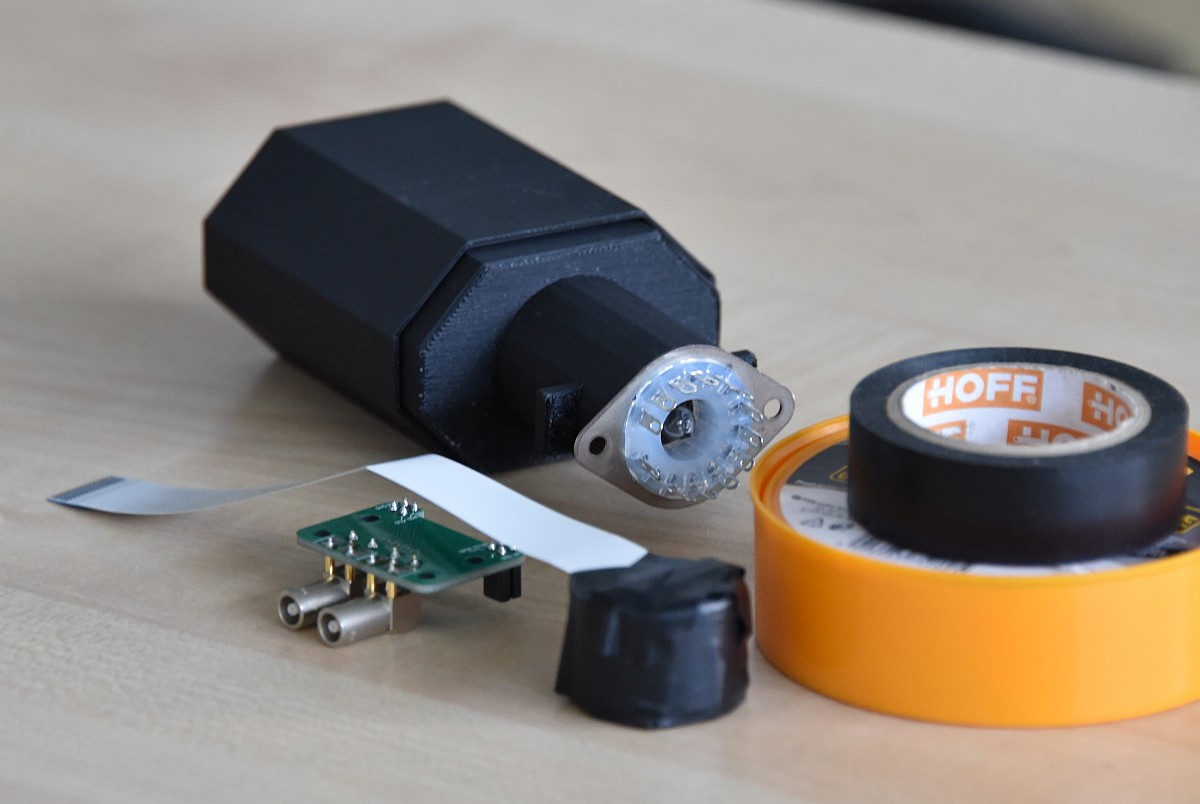
Custom radiation detectors can be designed and assembled to meet the specific requirements of a particular
application, whether for scientific research, industrial monitoring, environmental measurements, or security
systems. The process involves selecting and integrating appropriate sensing materials, electronics, data
acquisition systems, and mechanical components to achieve the desired performance. By tailoring the detector
design to the intended use, our laboratory can build custom systems to provide capabilities that are difficult
to achieve with off-the-shelf instruments, including improved sensitivity, specialized measurement functions,
or operation in challenging environments.


 eli-np.ro