The Nuclear Physics in Astrophysics School, 2026
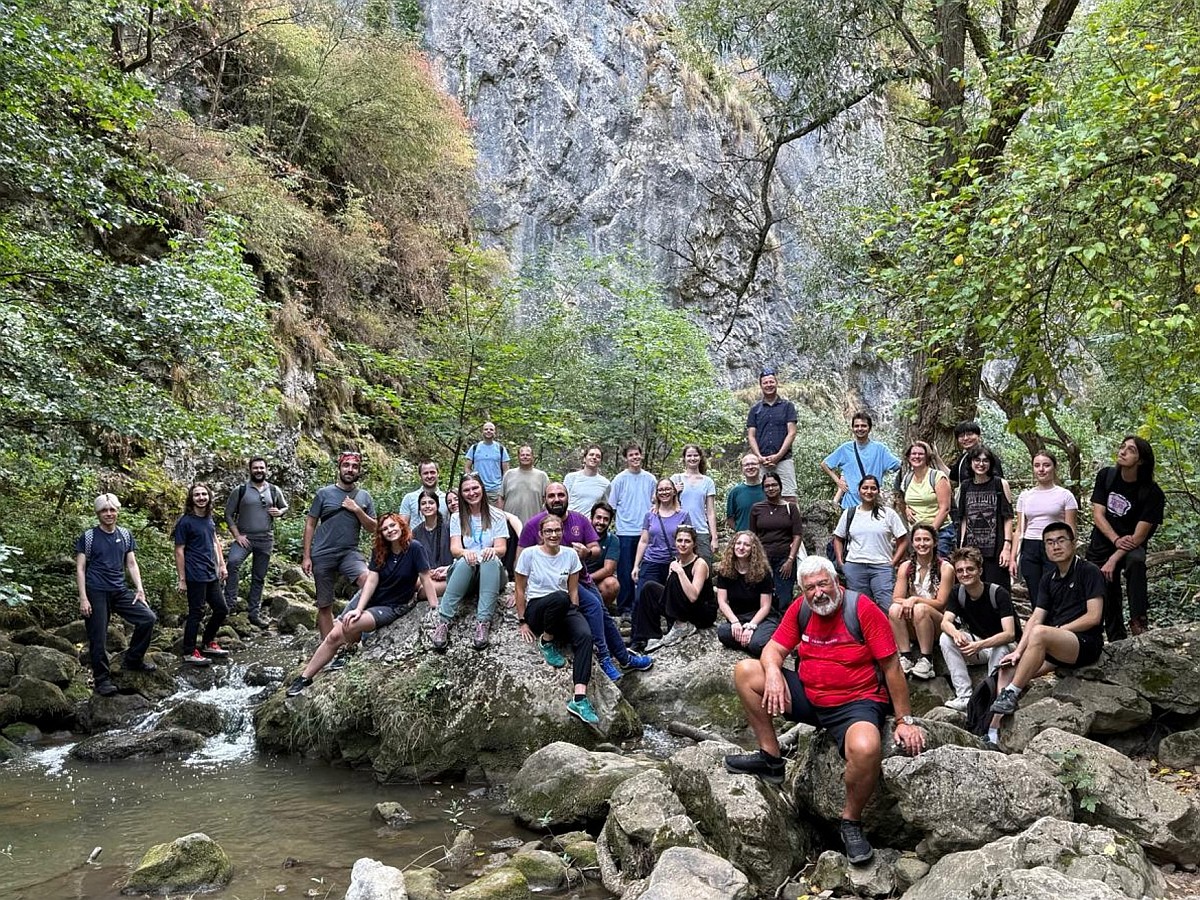
The Nuclear Physics in Astrophysics School 2026 provided an intensive and engaging week of lectures, practical sessions, and discussions covering key aspects of Nuclear Astrophysics. The school was designed to introduce students to both the theoretical foundations and experimental techniques of the field, offering a broad perspective on what to expect as they start with research in Nuclear Astrophysics. The programme brought together students at different stages of their academic careers, ranging from Bachelor's students in Physics to PhD researchers. Lectures were delivered by experts and leading researchers in the field, giving participants the opportunity to learn directly from specialists working on current problems in Nuclear Astrophysics.The school offered a valuable learning experience for students from diverse academic backgrounds. By combining expert-led lectures, practical training, computational tools, and direct interaction with researchers, the school helped bridge the gap between classroom learning and active research, while inspiring young scientists to further explore the interdisciplinary field of Nuclear Astrophysics.
The 12th International Conference on Nuclear Physics in Astrophysics (NPA-XII)
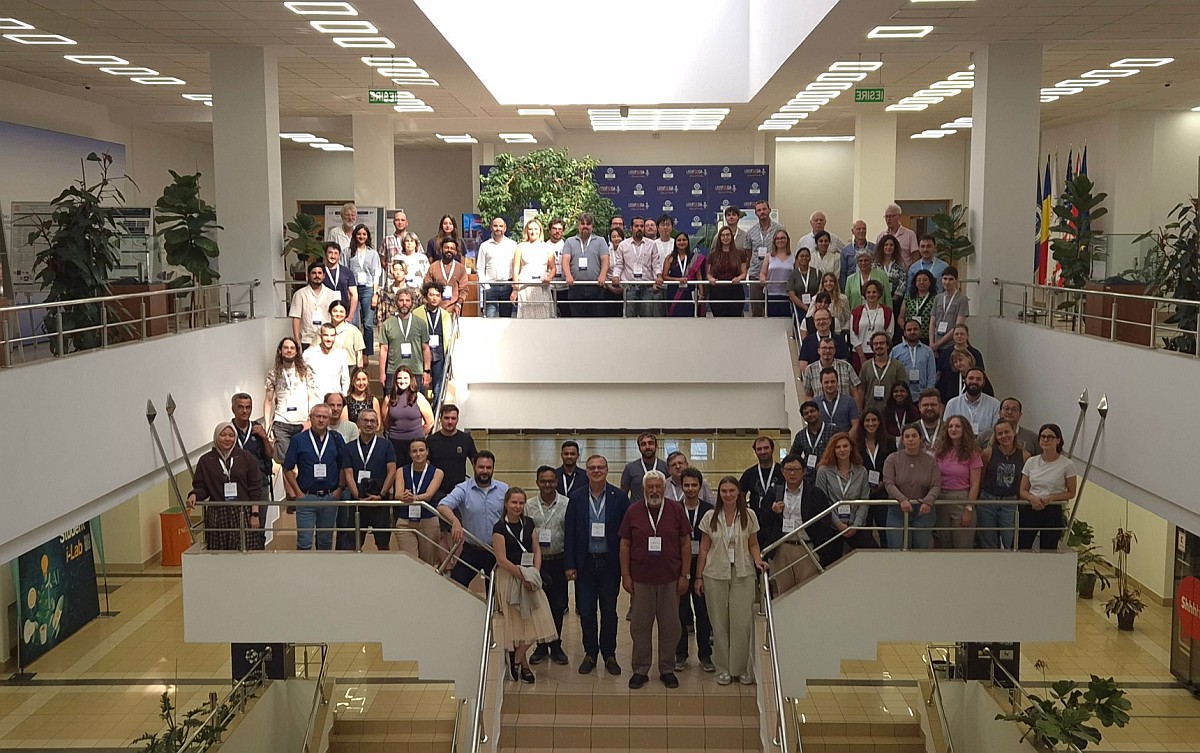
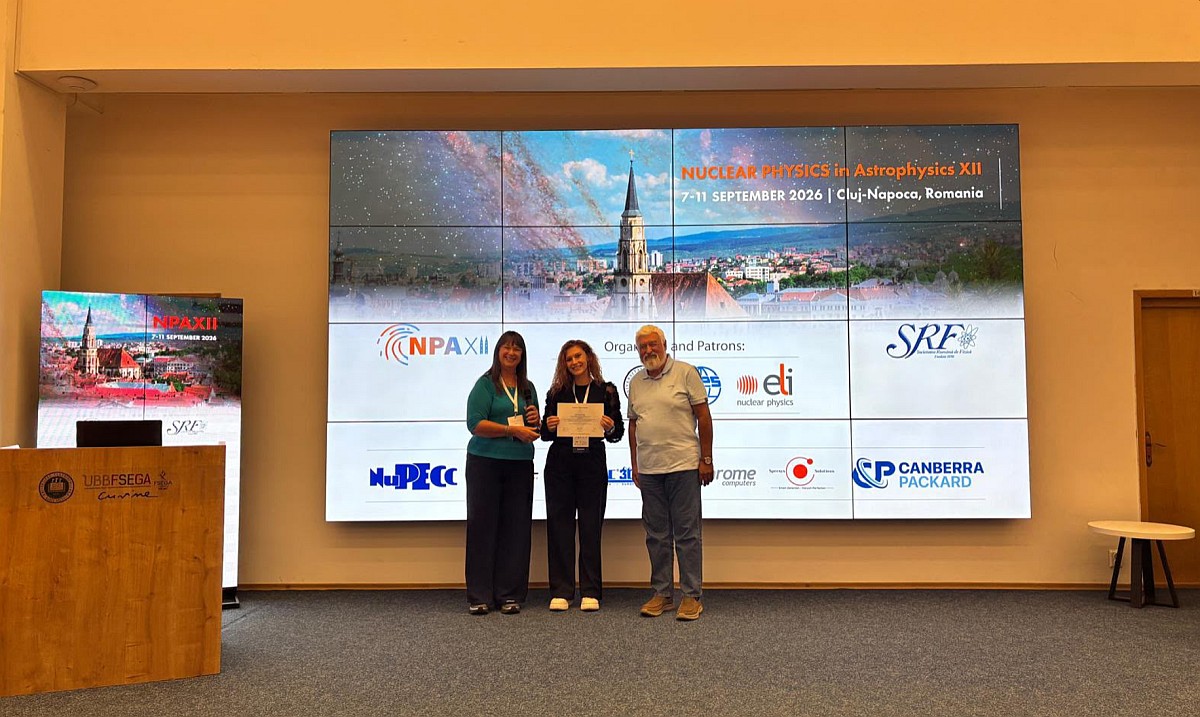
The 12th International Conference on Nuclear Physics in Astrophysics (NPA-XII), jointly organized by the Extreme Light Infrastructure - Nuclear Physics (ELI-NP), IFIN-HH, and the Faculty of Physics, Babes-Bolyai University, Cluj-Napoca, brought together scientists, researchers, and young scholars from 18 different countries to discuss recent developments and emerging challenges in Nuclear Astrophysics. Held over a single working week, the conference provided a comprehensive platform for scientific exchange, bringing together a wide range of expertise across 11 subtopics within the field of Nuclear Astrophysics.The conference was supported by prominent scientific organizations and committees, European Physical Society (EPS) and Nuclear Physics European Collaboration Committee (NuPECC). We also had support from the companies [crome computers, SRF, Specsys, Apel Laser, Canberra Packard, criomec]. Their support contributed to the scientific quality and international character of the event. A key strength of the conference was its diverse international attendance. Researchers at different stages of their careers had the opportunity to present their work on current developments in Nuclear Astrophysics. The scientific programme included talks on recent research results, providing participants with an overview of the latest experimental, theoretical, and computational advances in the field. Particular emphasis was placed on encouraging the participation of young researchers, which constituted around 45% of the total attendance. Poster sessions offered early-career scientists an opportunity to present their research to the wider scientific community, receive feedback from experienced researchers, and establish new professional connections.