Kunio Yoshida, Kana Fujioka, Ryosuke Kodama, Takuya Mikami, Shinji Motokoshi,
Takayuki Okamoto, Hidetsugu Yoshida, Kazuo A. Tanaka
[ https://www.nature.com/articles/s41598-025-26097-8 ]
A wide variety of optical components are used in optical instruments such as laser devices,
spectrophotometers, cameras and telescopes. To enhance their performance, these components are
often coated with optical thin films including antireflection (AR) coatings, high reflection (HR) coatings,
polarizing films, translucent films, and bandpass filters. However, the fabrication of multilayer thin-
film coatings is often constrained by stresses that arise during the deposition process. These stresses
can lead to delamination, thereby limiting the range of dielectric materials and operating wavelengths
available for optical components.
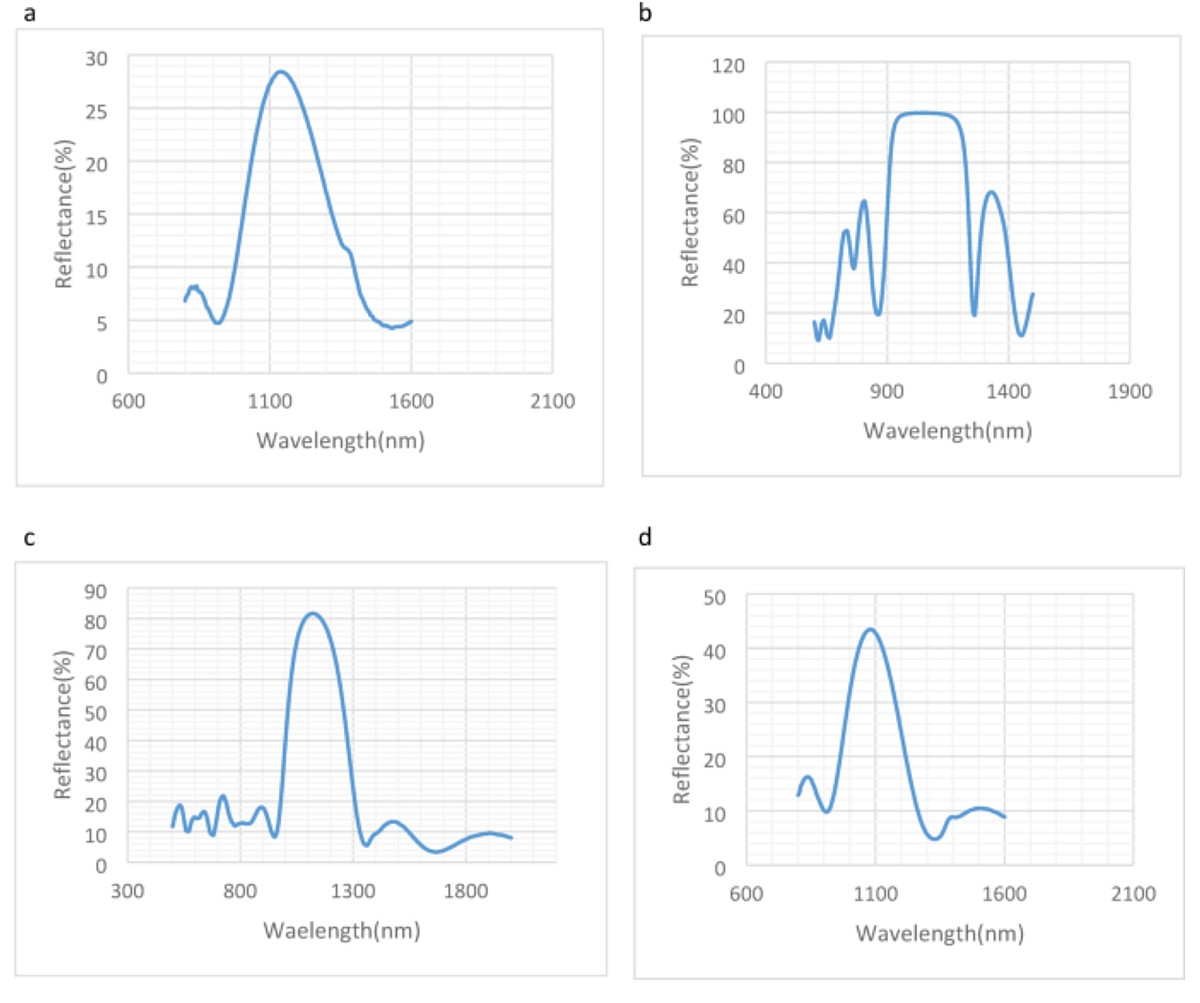
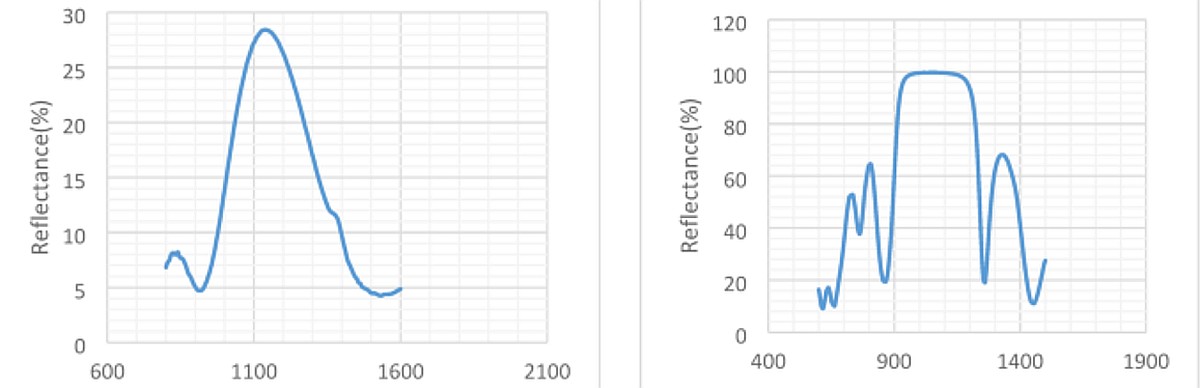
We report a novel thin-film fabrication method that enables both refractive index control and significant stress reduction. This approach produces adaptively mixed thin films (AMTFs), consisting of dielectric material, polytetrafluoroethylene (PTFE), and depletion layers, with a porous microstructure that lowers refractive index while maintaining high transmittance. For example, AMTF: MgF2 films exhibit a refractive index as low as 1.3, a 15-fold reduction in stress compared with pure MgF2, and 95.95% transmittance. In addition to antireflection coatings, highly reflective multilayer mirrors can also be fabricated using structures such as [Al2O3/AMTF: Al2O3], [ZrO2/AMTF: SiO2], and [TiO2/AMTF: MgF2]. The range of applicable dielectric materials is thereby significantly expanded. By tailoring the refractive index, these films enable coverage of a broad spectral range from 200 nm to 7000 nm. The demonstrated reduction of stress, control over refractive index, and wide spectral applicability highlight the potential of AMTFs to advance the design and fabrication of next-generation optical coatings, particularly in the field of laser optics.